By Dr. Anita Thormeyer
The World Health Organization (WHO) is recruiting for the next term of its Scientific Advisory Group for the Origins of Novel Pathogens (SAGO), with applications open until August 30, 2025. SAGO officially entered into force in November 2021 and advises the WHO on all technical and scientific matters related to the emergence and spread of new or reemerging pathogens. It’s important to note that SAGO does not conduct its own field studies, but rather acts as a meta-institution that evaluates existing data. In the initial selection, approximately 26 (later 28) experts were appointed from fields such as epidemiology, virology, animal health, ecology, biosafety, and biosecurity.
New evidence points to zoonotic transmission
The WHO stated that the selection aims to continue systematic research into the origins of emerging pathogens and strengthen the global „One Health“ framework. The „One Health“ framework was developed by the WHO, FAO, UNEP, and WOAH (World Organization for Animal Health, formerly the OIE) to establish an interdisciplinary perspective on a global scale. The goal is to use evidence-based scientific methods to uncover the origins of pathogens and protect public health, even in a highly charged political climate. The announcement of the second call for experts comes just weeks after the SAGO released its latest independent assessment of the origins of SARS-CoV-2 on June 27, 2025.
The report’s essential conclusion is that all hypotheses remain viable, and none of the proposed routes of origin can be dismissed — including zoonotic transmission and a potential laboratory accident. However, the bulk of the evidence points to zoonotic transmission. The report states: „The weight of the available evidence indicates that the virus most likely emerged through natural spillover from bats, either directly or via an intermediate host.“ According to SAGO, the available evidence more strongly suggests natural transmission from animals to humans, either directly from bats or via an intermediate host. Building on the preliminary report from June 2022, the report takes into account additional findings from peer-reviewed studies, field investigations, interviews, government reports, audits, and intelligence information. SAGO developed its assessments in over 52 meetings.
The politicization of the origin of the SARS-CoV-2 virus
While SAGO’s conclusions give greater credibility to the natural spillover theory, political divisions in the United States regarding the origins of the virus remain stark. In 2024, a Republican-led congressional committee concluded that the virus was „highly likely“ the result of a laboratory accident in Wuhan, China. That House Select Subcommittee on the Coronavirus Pandemic presented a 500-page final report in December 2024 analyzing the origin of the virus and reflecting on policy measures. However, scientific experts have criticized the Republican report for failing to provide any new, direct evidence. Instead, they argue that it is largely based on anecdotal accounts and political assumptions. They also argue that it contradicts the overwhelming scientific consensus pointing to zoonotic transmission. In addition to the Republican report, a Democratic minority report considered a hybrid explanation possible, i.e., that both natural and laboratory transmission are plausible.
More recently, the Central Intelligence Agency (CIA) offered an assessment with „low confidence“ leaning toward a lab origin as a possible scenario. In intelligence jargon, „low confidence“ means: The evidence is weak, the information is incomplete or indirect, and the conclusion is uncertain. Therefore, it is the lowest level of confidence for analyses. Other intelligence services, such as the FBI, assessed a „moderate confidence“ level for a lab leak. Overall, there was no uniform assessment; US intelligence agencies remained divided.
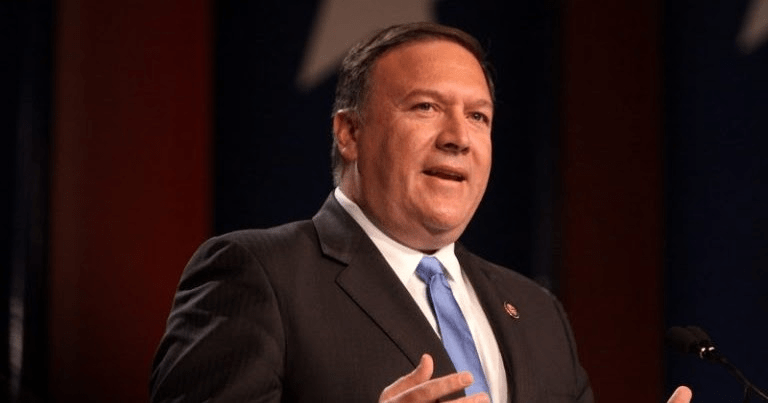
Some of these findings contrast sharply with SAGO’s emphasis on the higher likelihood of natural origins, highlighting the tension between scientific reasoning and political narratives. In the U.S., some political figures have made the lab-leak theory a central focus of policy and public debate, which risks steering investigations away from an evidence-based approach. As early as 2020, Donald Trump repeatedly referred to the „China virus“ and blamed the People’s Republic of China and the Wuhan Institute of Virology. He later demanded that China pay „reparations.“ Mike Pompeo, Secretary of State under Trump’s first administration, was one of the first high-ranking politicians to publicly state that there was evidence of a laboratory accident in Wuhan. Although he spoke of „enormous evidence,“ he never provided any details.
Why Scientific Neutrality and Independence Matter
In the face of the polarized political landscape surrounding this issue, SAGO must maintain scientific neutrality to retain its authority in the field of global public health. Independence and credibility are the guarantees that sustain this neutrality. Scientific neutrality is a personal quality expected of SAGO members and the foundation of the WHO’s ability to fulfill its global public health mandate. Only when experts approach their work without preconceived conclusions and free from political or financial interference can their findings carry international credibility and meaningfully influence pandemic policy.
To achieve this, the WHO must incorporate the principle of neutrality into every aspect of the selection process for the new term and its daily operations. Candidates should fully disclose their research history, funding sources, and institutional affiliations before appointment to avoid conflicts of interest. All processes, from selection criteria to procedures and member declarations, should be open to public and media scrutiny to ensure transparency and accountability. Only by doing so can SAGO uphold its scientific stance in a complex political environment and earn the trust of the global community.
A Critical Moment for Global Health Governance
SAGO was established following criticism of previous investigations into the origins of the SARS-CoV-2 virus. With the goal of providing politically neutral, scientifically sound advice and creating a permanent body with a clear mandate, SAGO aims to cut through the politics and focus on the forensic science of pathogen origins from the beginning of any future outbreak. Therefore, SAGO’s effectiveness directly impacts global security and economic stability; thus, it must implement rigorous safeguards to insulate itself from political and financial pressure. At a critical moment for pandemic preparedness and risk mitigation, SAGO’s neutrality directly impacts global trust in public health systems.
The WHO must address concerns from civil society and public opinion by implementing independence safeguards. Only then can SAGO maintain its reputation as a globally authoritative scientific platform, free from political manipulation and guided solely by evidence. SAGO must be accountable to humanity as a whole. Meanwhile, the international community, the media, and the public must continue to monitor and scrutinize SAGO’s work to safeguard the integrity of this essential platform for future pandemic readiness.
 Stephan Ossenkopp